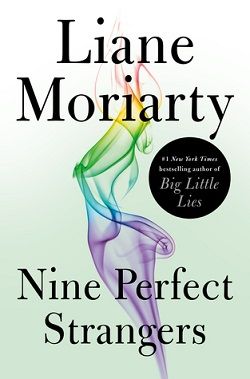
Liane Moriarty’s Nine Perfect Strangers is a captivating exploration of human vulnerability, healing, and the complexities of personal transformation. Set against the backdrop of a luxurious health resort, Tranquillum House, the novel intricately weaves the lives of nine diverse characters, each arriving with their own burdens and expectations. Moriarty’s ability to delve into the psyche of her characters while maintaining a gripping narrative makes this book a compelling read.
The story begins with Frances Welty, a once-celebrated romantic novelist who is grappling with the fallout of her career and personal life. As she arrives at Tranquillum House, she is not just nursing physical ailments but also emotional scars—her broken heart and the weight of her past decisions. Frances serves as the lens through which we meet the other guests, each of whom brings their own unique story to the table. There’s Tony, a former football player; the Marconi family, who are struggling with their own internal conflicts; and the enigmatic owner of the resort, Masha, whose unconventional methods raise both intrigue and skepticism.
One of the most striking themes in Nine Perfect Strangers is the quest for self-discovery and healing. Each character arrives at Tranquillum House with the hope of finding answers or a fresh start. Moriarty expertly captures the essence of this journey, illustrating how the characters confront their fears and insecurities. The resort, with its promise of rejuvenation, becomes a microcosm for the struggles of modern life, where the pursuit of wellness often masks deeper issues. The guests’ interactions reveal the layers of their personalities, and as they engage in various wellness activities, the façade of perfection begins to crumble.
Moriarty’s character development is particularly noteworthy. Each character is richly drawn, with their backstories unfolding gradually, allowing readers to empathize with their struggles. For instance, Frances’s journey from self-doubt to a renewed sense of purpose is both relatable and inspiring. The author skillfully balances humor and poignancy, making Frances’s internal monologues both entertaining and thought-provoking. Similarly, the Marconi family’s dynamics highlight the complexities of familial relationships, showcasing how love can be both a source of strength and conflict.
The novel also delves into the theme of trust and the impact of manipulation. Masha, the resort’s director, embodies the duality of a healer and a manipulator. Her unconventional methods raise ethical questions about the lengths one should go to in the name of healing. As the story progresses, the guests find themselves questioning Masha’s intentions, leading to a tension that propels the narrative forward. This exploration of trust resonates deeply, especially in a world where authenticity is often overshadowed by pretense.
Another significant theme is the idea of community and connection. As the characters navigate their personal challenges, they begin to form bonds that transcend their individual struggles. Moriarty beautifully illustrates how shared experiences can foster understanding and empathy. The interactions among the guests serve as a reminder of the importance of human connection, especially in times of crisis. The resort becomes a sanctuary where vulnerability is met with compassion, allowing the characters to confront their truths in a supportive environment.
The pacing of the novel is expertly crafted, with Moriarty building suspense as the characters’ stories intertwine. The initial tranquility of Tranquillum House is soon disrupted by unexpected events that challenge the guests’ perceptions of wellness and healing. This shift not only heightens the stakes but also forces the characters to confront their deepest fears. The climax of the story is both shocking and thought-provoking, leaving readers to ponder the true meaning of transformation.
In comparison to Moriarty’s previous works, such as Big Little Lies, Nine Perfect Strangers shares a similar exploration of complex relationships and the darker undercurrents of seemingly idyllic settings. However, this novel takes a more introspective approach, focusing on individual healing journeys rather than the external conflicts that characterized her earlier works. The blend of humor and drama, coupled with a diverse cast of characters, makes this book a standout in Moriarty’s oeuvre.
Overall, Nine Perfect Strangers is a thought-provoking and engaging read that challenges readers to reflect on their own lives and the nature of healing. Moriarty’s keen insights into human behavior, combined with her skillful storytelling, create a narrative that is both entertaining and meaningful. The book invites readers to consider the complexities of personal transformation and the importance of connection in a world that often feels isolating.
In conclusion, Liane Moriarty’s Nine Perfect Strangers is a masterful exploration of the human condition, wrapped in a compelling narrative that keeps readers on the edge of their seats. It is a reminder that while the journey to self-discovery may be fraught with challenges, it is also filled with moments of connection, growth, and unexpected revelations. This novel is a must-read for anyone seeking a deeper understanding of themselves and the intricate tapestry of human relationships.