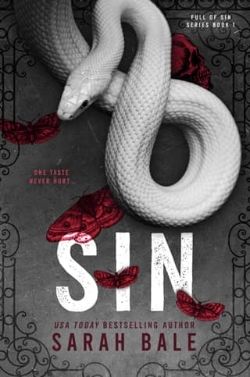
Sarah Bale's novel, "Sin," is a compelling exploration of desire, temptation, and the complexities of human relationships. Set against the backdrop of the high-stakes world of adult toy manufacturing, the book delves into the intricate dynamics between Laurel Cross and Mason "Sin" Sinclair III. Bale crafts a narrative that is as much about the allure of forbidden love as it is about personal growth and the courage to confront one's own truths.
At the heart of "Sin" is the theme of temptation, embodied by the character of Laurel Cross. As a talented designer at SINsual Adult Toys, Laurel is ambitious and driven, yet she finds herself irresistibly drawn to her enigmatic boss, Sin. Bale skillfully portrays Laurel's internal struggle as she grapples with her professional aspirations and her burgeoning feelings for a man who is not only her superior but also married. This moral quandary is a central theme, and Bale handles it with nuance, allowing readers to empathize with Laurel's predicament without condoning her actions.
Mason Sinclair III, or Sin, is a character shrouded in complexity. Bale paints him as a man trapped in a loveless marriage, his life dictated by duty and appearances. Through Sin, the novel explores themes of emotional isolation and the longing for genuine connection. His interactions with Laurel are charged with tension and vulnerability, revealing a side of him that is at odds with his public persona. Bale's portrayal of Sin is reminiscent of the brooding heroes found in the works of Sylvia Day or E.L. James, yet she imbues him with a distinct depth that sets him apart.
The character development in "Sin" is one of its strongest aspects. Laurel and Sin are not static figures; they evolve as the story progresses. Laurel's journey is particularly compelling as she navigates the treacherous waters of office politics and personal desire. Her transformation from a cautious employee to a woman who takes charge of her destiny is both believable and inspiring. Similarly, Sin's evolution from a detached CEO to a man willing to risk everything for love is portrayed with sensitivity and realism.
Bale's writing style is both engaging and evocative, drawing readers into the world she has created with vivid descriptions and sharp dialogue. Her ability to convey the intensity of Laurel and Sin's relationship is particularly noteworthy. The chemistry between the characters is palpable, and Bale captures the nuances of their interactions with a deft touch. The narrative is paced well, with moments of tension and release that keep readers invested in the outcome of their affair.
Emotionally, "Sin" is a rollercoaster. Bale does not shy away from exploring the darker aspects of love and desire, and the emotional impact of the characters' choices is profound. The novel raises questions about the nature of love, the consequences of our actions, and the possibility of redemption. As Laurel and Sin's affair becomes public, they are forced to confront the fallout of their decisions, leading to moments of introspection and growth. Bale handles these themes with a maturity that elevates the narrative beyond a simple romance.
In comparison to other works in the romance genre, "Sin" stands out for its exploration of ethical dilemmas and its focus on character development. While it shares thematic elements with novels like "Fifty Shades of Grey" or "Crossfire," Bale's work is distinguished by its emphasis on the emotional and moral complexities of its characters. This depth adds a layer of authenticity to the story, making it resonate with readers who appreciate romance with substance.
Overall, Sarah Bale's "Sin" is a thought-provoking and emotionally charged novel that will appeal to fans of contemporary romance and those interested in stories that delve into the intricacies of human relationships. With its well-drawn characters, engaging plot, and exploration of themes such as temptation and redemption, "Sin" is a worthy addition to the genre. Bale's ability to balance passion with introspection ensures that the novel leaves a lasting impression, inviting readers to reflect on the nature of love and the choices we make in its pursuit.