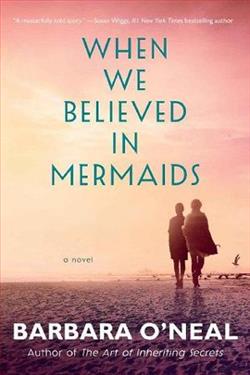
Barbara O'Neal's novel, When We Believed in Mermaids, is a poignant exploration of familial bonds, long-buried secrets, and the quest for truth. Set against the lush backdrop of New Zealand, this contemporary fiction piece weaves a narrative that is both heart-wrenching and hopeful, capturing the complexities of sisterhood and the enduring impact of trauma.
The story begins with a jarring revelation for Kit Bianci, an ER doctor in Santa Cruz, who has lived with the belief that her sister, Josie, died in a terrorist attack fifteen years ago. This belief is shattered when Kit sees a woman on the news in Auckland who bears an uncanny resemblance to Josie. This moment sets off a chain of events that propels Kit on a journey halfway across the world, driven by a mix of grief, anger, and a desperate need for closure.
O'Neal expertly crafts the theme of identity and reinvention throughout the novel. Josie's apparent resurrection from the dead is not just a plot twist but a profound commentary on the human capacity for change and the masks we wear to protect ourselves. The narrative delves into how Josie, now living under a new identity, has reconstructed her life, leaving behind the shadows of her past. This theme resonates with readers who have ever felt the need to redefine themselves in the face of adversity.
The character development in When We Believed in Mermaids is both intricate and compelling. Kit is portrayed as a strong yet vulnerable protagonist whose medical career has been a refuge from her emotional scars. Her journey to New Zealand is as much about finding her sister as it is about confronting her own demons. O'Neal paints Kit with a rich emotional palette, allowing readers to empathize with her internal struggles and triumphs.
Josie, on the other hand, is a character shrouded in mystery and complexity. Her decision to fake her death and start anew is gradually unpacked, revealing layers of trauma and survival instincts. The dynamic between the sisters is central to the narrative, and O'Neal skillfully navigates their tumultuous relationship, marked by love, betrayal, and a shared history that binds them inextricably.
O'Neal's writing style is both lyrical and evocative, capturing the beauty of New Zealand's landscapes while delving into the emotional depths of her characters. Her prose is imbued with a sense of longing and nostalgia, reminiscent of authors like Kristin Hannah and Jodi Picoult, who are known for their emotionally charged storytelling. The vivid descriptions of the ocean and the beaches serve as a metaphor for the characters' turbulent emotions and the ebb and flow of their lives.
The novel's emotional impact is profound, as O'Neal does not shy away from exploring the darker aspects of her characters' pasts. Themes of trauma, addiction, and loss are handled with sensitivity and realism, making the characters' journeys toward healing and redemption all the more powerful. Readers are likely to find themselves deeply invested in Kit and Josie's story, rooting for their reconciliation and hoping for a resolution that feels both satisfying and true to life.
In comparison to other works in the genre, When We Believed in Mermaids stands out for its ability to balance a gripping plot with deep emotional resonance. While it shares thematic similarities with novels like The Light Between Oceans by M.L. Stedman, O'Neal's focus on sisterhood and personal transformation offers a unique perspective that sets it apart.
Overall, Barbara O'Neal's When We Believed in Mermaids is a beautifully crafted novel that will appeal to fans of contemporary fiction and those who appreciate stories that delve into the intricacies of human relationships. It is a testament to the resilience of the human spirit and the enduring power of love and forgiveness. Readers seeking a narrative that combines mystery, emotion, and a touch of the exotic will find much to admire in this captivating tale.