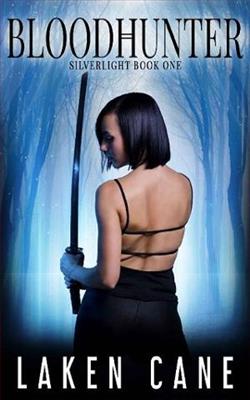
Laken Cane's "Bloodhunter" is a thrilling foray into the urban fantasy genre, weaving a tale that is as much about survival as it is about self-discovery. The novel follows Trinity Sinclair, a character whose life is irrevocably altered by a brutal vampire attack. This incident not only transforms her physically but also sets her on a path of profound personal evolution. Cane's narrative is a gripping exploration of identity, power, and the complex web of relationships that define our existence.
The central theme of "Bloodhunter" is transformation, both literal and metaphorical. Trinity's metamorphosis from a human to a Bloodhunter—a rare being capable of delivering true death to vampires—serves as a powerful metaphor for personal growth and empowerment. Cane skillfully uses Trinity's journey to explore the idea that our greatest strengths often emerge from our deepest wounds. This theme resonates throughout the novel, offering readers a compelling lens through which to view Trinity's struggles and triumphs.
Character development is another standout aspect of Cane's writing. Trinity is a multifaceted protagonist whose complexity is revealed gradually, allowing readers to connect with her on a deep emotional level. Her initial vulnerability is palpable, yet as the story unfolds, her resilience and determination become her defining traits. The evolution of her character is mirrored in her relationships with the other characters, particularly the vampire master who attacked her and the eclectic group of supernaturals who become her allies.
The dynamic between Trinity and her allies is one of the novel's most engaging elements. Each character is distinct, with their own backstories and motivations, which Cane deftly interweaves into the narrative. The vampire master, in particular, is a fascinating character whose obsession with Trinity adds layers of tension and intrigue. This relationship is reminiscent of the complex dynamics found in works like Richelle Mead's "Vampire Academy" series, where the lines between enemy and ally are often blurred.
Cane's writing style is both vivid and immersive, drawing readers into a world that is as dangerous as it is alluring. Her descriptive prose brings the settings to life, from shadowy urban landscapes to the intimate spaces where Trinity confronts her inner demons. The action sequences are particularly well-crafted, blending fast-paced excitement with moments of introspection that deepen the emotional impact of the story.
Emotionally, "Bloodhunter" is a rollercoaster. Cane expertly balances moments of intense action with quieter, more introspective scenes that allow readers to delve into Trinity's psyche. The novel explores themes of desire and connection, with Trinity's unquenchable thirst for blood paralleled by her equally intense emotional and physical attraction to her allies. This duality adds a layer of complexity to the narrative, inviting readers to consider the interplay between power, vulnerability, and intimacy.
In terms of genre, "Bloodhunter" fits comfortably within the urban fantasy realm, yet it also distinguishes itself through its unique take on vampire lore. Cane's vampires are not merely predators but are portrayed with depth and nuance, challenging traditional genre conventions. This approach is reminiscent of Anne Rice's "The Vampire Chronicles," where vampires are depicted as complex beings grappling with their own existential dilemmas.
Overall, Laken Cane's "Bloodhunter" is a compelling addition to the urban fantasy genre, offering a fresh perspective on familiar themes. The novel's exploration of transformation, identity, and the power of human connection is both thought-provoking and entertaining. With its richly drawn characters, immersive world-building, and emotional depth, "Bloodhunter" is sure to captivate fans of the genre and newcomers alike. Cane's ability to blend action, romance, and introspection into a cohesive narrative makes this book a must-read for anyone seeking a story that is as thrilling as it is meaningful.