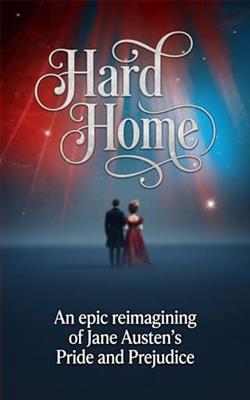
Emma A. Hartland's "Hard Home" is a captivating blend of fantasy and romance, a genre often referred to as "romantasy," that reimagines the classic tale of "Pride and Prejudice" with a dark, mystical twist. The novel is set in an alternate England where ancient magical accords and wardlines shape the landscape and the lives of its inhabitants. Hartland's narrative weaves together the familiar social intricacies of Jane Austen's world with a rich tapestry of fantasy elements, creating a unique reading experience that will appeal to fans of both genres.
At the heart of "Hard Home" is the character of Elizabeth Bennet, who is endowed with a supernatural gift that allows her to detect lies as easily as one might hear a discordant note in music. This ability adds a layer of complexity to her character, making her both insightful and vulnerable. Elizabeth's journey is one of self-discovery and empowerment, as she navigates a world where truth and deception are often indistinguishable. Her interactions with the enigmatic Fitzwilliam Darcy, who holds one of the oldest magical accords in England, are charged with tension and misunderstanding, echoing the original dynamics of Austen's beloved characters while introducing new stakes and challenges.
Hartland's writing style is both elegant and evocative, capturing the essence of the Regency era while infusing it with a sense of otherworldly wonder. Her prose is richly descriptive, painting vivid images of the English countryside and the eerie, invisible wardlines that crisscross it. The author's ability to blend the mundane with the magical is reminiscent of works by Susanna Clarke and Naomi Novik, where historical settings are seamlessly intertwined with fantastical elements. This skillful blending of genres allows Hartland to explore themes of duty, sacrifice, and the nature of truth in a world where ancient pacts and personal desires are often at odds.
The emotional impact of "Hard Home" is profound, as Hartland delves into the complexities of familial duty and personal freedom. The Bennet family dynamics are explored with depth and nuance, highlighting the pressures and expectations placed upon Elizabeth and her sisters in a society that values male lineage above all else. The concept of "braiding," a form of marriage that cannot be undone, serves as a powerful metaphor for the inescapable ties that bind individuals to their families and their pasts. This theme resonates throughout the novel, as characters grapple with their responsibilities to their loved ones and their own desires for independence and self-fulfillment.
One of the most intriguing aspects of "Hard Home" is its exploration of the consequences of neglect and the passage of time. The wardlines, left unattended for centuries, have begun to weaken, threatening to unleash ancient forces upon the land. This sense of impending doom adds a layer of urgency to the narrative, as Elizabeth and Darcy must confront not only their own misunderstandings but also the larger threat to their world. The novel's tension is heightened by the revelation of a long-forgotten village, abandoned not by plague but by a mysterious loss of virtue, which serves as a chilling reminder of the dangers that lie beyond the visible world.
Hartland's characters are well-developed and multifaceted, with Elizabeth and Darcy standing out as particularly compelling figures. Elizabeth's gift of detecting lies is both a blessing and a curse, shaping her interactions with others and influencing her decisions. Her journey is one of growth and self-awareness, as she learns to trust her instincts and navigate the complexities of her world. Darcy, on the other hand, is portrayed as a man burdened by duty and tradition, struggling to reconcile his responsibilities with his feelings for Elizabeth. Their relationship is fraught with tension and miscommunication, yet it is also marked by moments of genuine connection and understanding.
The supporting cast of characters is equally engaging, with each member of the Bennet family contributing to the novel's rich tapestry of relationships and conflicts. The sisters, often overlooked in favor of their more famous sibling, are given their own moments to shine, adding depth and dimension to the story. The novel's exploration of sisterhood and solidarity is a refreshing addition to the traditional romance narrative, highlighting the strength and resilience of women in a male-dominated society.
In conclusion, "Hard Home" by Emma A. Hartland is a masterful reimagining of a classic tale, offering readers a fresh perspective on familiar characters and themes. The novel's blend of fantasy and romance, coupled with its exploration of duty, truth, and personal freedom, makes it a compelling read for fans of both genres. Hartland's skillful storytelling and richly drawn characters ensure that "Hard Home" will resonate with readers long after the final page is turned. Whether you're a fan of Jane Austen, fantasy literature, or simply a well-told story, "Hard Home" is a novel that deserves a place on your bookshelf.