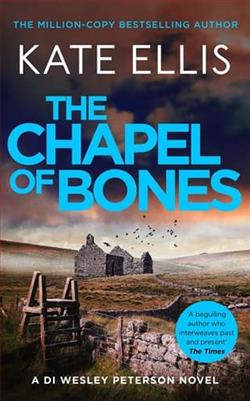
Kate Ellis's novel, The Chapel of Bones, is a captivating addition to the crime fiction genre, weaving together historical intrigue and modern-day mystery in a way that is both engaging and thought-provoking. Set in the picturesque yet enigmatic landscape of South Devon, the book follows DI Wesley Peterson as he navigates a complex web of secrets, myths, and murder. Ellis's ability to blend the past with the present is reminiscent of the works of authors like Peter Robinson and Elly Griffiths, who similarly excel in creating atmospheric and layered mysteries.
At the heart of The Chapel of Bones is the discovery of a mummified body hidden within the walls of Sycamore House, a location steeped in history and mystery. The victim, Dr. Aleric Donnal, was an academic with a passion for Devon's medieval past, and his disappearance over a decade ago adds an intriguing layer to the narrative. This initial mystery is compounded by the presence of a new age commune that once occupied the house, believing it to be situated on an ancient sacred site. Ellis skillfully uses these elements to explore themes of belief, obsession, and the enduring power of history.
Character development is a strong suit of Ellis's writing, and DI Wesley Peterson is a particularly compelling protagonist. As a detective, Wesley is methodical and insightful, yet he is also portrayed with a depth that makes him relatable and human. His interactions with his team and the people of South Devon are nuanced and realistic, reflecting the complexities of both professional and personal relationships. The supporting characters, including Dr. Neil Watson, who is investigating the nearby ruins of an ancient chapel, are well-drawn and contribute significantly to the unfolding mystery.
Ellis's writing style is both elegant and accessible, striking a balance that allows the reader to become fully immersed in the story. Her descriptions of the Devon landscape are vivid and atmospheric, creating a strong sense of place that enhances the novel's overall mood. The juxtaposition of the serene countryside with the dark secrets it harbors is a recurring motif in Ellis's work, and it is executed with particular finesse in The Chapel of Bones.
The emotional impact of the novel is heightened by Ellis's exploration of the human psyche and the motivations that drive individuals to commit acts of violence. The theme of truth versus myth is central to the narrative, as Wesley must sift through layers of superstition and historical lore to uncover the reality behind the crimes. This theme is particularly resonant in today's world, where the line between fact and fiction is often blurred, making the novel both timely and timeless.
In terms of genre, The Chapel of Bones fits comfortably within the realm of crime fiction, yet it also incorporates elements of historical fiction and psychological thriller. This blend of genres is one of Ellis's trademarks, and it allows her to craft stories that are rich in detail and complexity. Fans of authors like Ann Cleeves and Val McDermid will likely find much to appreciate in Ellis's work, as she shares their talent for creating intricate plots and compelling characters.
Overall, The Chapel of Bones is a masterful example of Kate Ellis's skill as a storyteller. The novel's intricate plot, well-developed characters, and evocative setting combine to create a reading experience that is both satisfying and thought-provoking. Whether you are a long-time fan of Ellis's work or new to her writing, this book is sure to captivate and intrigue, leaving you eager for the next installment in the DI Wesley Peterson series.