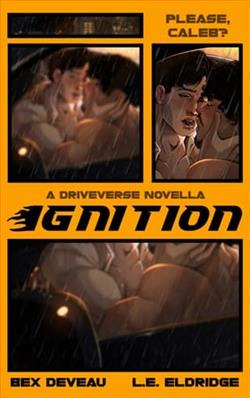
"Ignition" by L.E. Eldridge, co-authored with Bex Deveau, is a compelling novella that serves as a prequel to the "Over Drive: A Street Racing Omegaverse" series. This book promises a thrilling ride filled with emotional upheaval, complex relationships, and the intense dynamics of an Omegaverse setting. Eldridge's storytelling is both engaging and provocative, drawing readers into a world where personal and familial conflicts intertwine with the primal instincts characteristic of the genre.
At the heart of "Ignition" is the tumultuous relationship between the protagonist and his father, whose life has been upended by his wife's departure with their driver. This familial discord sets the stage for the protagonist's summer, which is further complicated by the arrival of his father's new girlfriend and her daughter. Eldridge skillfully portrays the protagonist's frustration and sense of invasion, capturing the emotional turmoil of a young man grappling with unexpected changes in his personal life.
The character of Nick, the protagonist's childhood friend and the son of the driver involved in the family drama, adds a layer of complexity to the narrative. Their friendship, rooted in shared history and mutual understanding, is tested by the shifting dynamics around them. Eldridge explores themes of loyalty, trust, and the evolution of relationships with a deft hand, making the reader ponder the nature of friendship and the impact of external pressures on personal bonds.
One of the standout elements of "Ignition" is its exploration of the Omegaverse, a subgenre known for its unique social structures and biological imperatives. Eldridge uses this framework to delve into the themes of identity and self-discovery. The protagonist's journey is not just about navigating familial and social challenges but also about understanding his own place within the Omegaverse hierarchy. This adds a layer of depth to the narrative, inviting readers to consider how societal roles and expectations shape individual identity.
The writing style in "Ignition" is both vivid and immersive. Eldridge's prose is characterized by its clarity and emotional resonance, effectively conveying the protagonist's inner turmoil and the tension of the situations he faces. The dialogue is sharp and realistic, capturing the nuances of teenage angst and the complexity of adult relationships. The pacing is well-balanced, with moments of introspection seamlessly interwoven with high-stakes drama, keeping readers engaged from start to finish.
Emotionally, "Ignition" packs a punch. Eldridge does not shy away from exploring the raw, often uncomfortable emotions that arise from betrayal, loss, and desire. The protagonist's journey is one of growth and self-acceptance, and Eldridge handles this with sensitivity and insight. The book's emotional impact is heightened by its exploration of the Omegaverse's unique dynamics, which add an element of intensity and urgency to the characters' interactions.
In comparison to other works within the Omegaverse genre, "Ignition" stands out for its focus on character development and emotional depth. While it shares the high-stakes drama and intense relationships typical of the genre, Eldridge's emphasis on the protagonist's internal journey sets it apart. Readers who appreciate the character-driven narratives of authors like J.L. Langley or the emotional complexity found in the works of Leta Blake will find much to enjoy in "Ignition."
Overall, "Ignition" by L.E. Eldridge is a captivating addition to the Omegaverse genre. Its exploration of themes such as identity, loyalty, and personal growth, combined with its engaging writing style and emotional depth, make it a must-read for fans of the genre. Eldridge has crafted a story that is both entertaining and thought-provoking, offering readers a glimpse into a world where the personal and the primal collide. Whether you're a seasoned Omegaverse enthusiast or new to the genre, "Ignition" promises a reading experience that is as exhilarating as it is insightful.