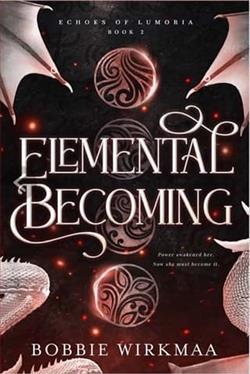
Bobbie Wirkmaa's "Elemental Becoming" is a captivating addition to the fantasy genre, weaving together themes of power, leadership, and identity with a deft hand. The novel introduces readers to Amara Thalor, the first known Spiritborn, as she navigates the treacherous waters of a realm teetering on the brink of war. Wirkmaa's narrative is both an exploration of personal growth and a commentary on the complexities of leadership, making it a compelling read for fans of epic fantasy.
At the heart of "Elemental Becoming" is Amara's journey from a young woman struggling with newfound powers to a leader capable of uniting the elemental clans. This transformation is not just a physical or magical one but an emotional and psychological evolution that Wirkmaa handles with nuance. Amara's character development is a standout aspect of the novel, as she learns to balance her immense power with the responsibilities of leadership. Her journey is reminiscent of protagonists in works by authors like Tamora Pierce and Kristin Cashore, who similarly explore the intersection of power and responsibility in their heroines.
Wirkmaa's writing style is both lyrical and precise, capturing the grandeur of the fantasy realm while maintaining a focus on character-driven storytelling. The capital city, with its ancient magic and fragile alliances, is vividly rendered, providing a rich backdrop for Amara's story. The author's ability to create a sense of place is reminiscent of the world-building seen in the works of Brandon Sanderson and Robin Hobb, where the setting becomes a character in its own right.
The emotional impact of "Elemental Becoming" is significant, as Wirkmaa delves into themes of identity and belonging. Amara's struggle to define herself beyond the prophecy that surrounds her is a relatable and poignant journey. Her relationship with Warlord Thane Caelum adds depth to the narrative, offering a personal counterpoint to the larger political machinations at play. Thane's own internal conflict—balancing duty with unexpected love—provides a compelling subplot that enriches the overall story.
Wirkmaa skillfully navigates the political intrigue of the capital, crafting a narrative that is as much about diplomacy and strategy as it is about magic. The tension between the elemental clans and the looming threat of war create a sense of urgency that propels the plot forward. This aspect of the novel will appeal to readers who enjoy the intricate political landscapes found in series like George R.R. Martin's "A Song of Ice and Fire" or Joe Abercrombie's "The First Law" trilogy.
One of the most striking elements of "Elemental Becoming" is its exploration of what it means to lead. Amara's journey is not just about mastering her powers but understanding the true nature of leadership. Wirkmaa challenges the notion that power alone is sufficient, emphasizing the importance of courage, diplomacy, and empathy. This theme resonates throughout the novel, offering readers a thoughtful reflection on the qualities that define a true leader.
In terms of pacing, Wirkmaa strikes a balance between action and introspection, ensuring that the narrative remains engaging without sacrificing character development. The novel's climax is both satisfying and thought-provoking, leaving readers eager for the next installment in the series. The stakes are high, and Wirkmaa does not shy away from exploring the consequences of Amara's decisions, adding a layer of realism to the fantasy setting.
Overall, "Elemental Becoming" is a masterful blend of fantasy and character study, offering readers a richly imagined world and a protagonist whose journey is both epic and intimate. Bobbie Wirkmaa has crafted a novel that stands out in the fantasy genre, appealing to fans of character-driven narratives and intricate world-building. With its exploration of power, identity, and leadership, "Elemental Becoming" is a must-read for anyone seeking a thoughtful and immersive fantasy experience.