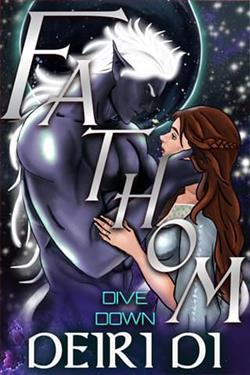
Deiri Di's "Fathom" is an intriguing blend of space opera and romance, set against the backdrop of a vividly imagined universe where survival hinges on unexpected alliances. The narrative follows Leija, a woman who transitions from the world of Parisian fashion to a gritty, alien planet where danger lurks at every corner. Her journey is one of transformation, both in terms of her environment and her personal growth, as she navigates a world where the line between predator and prey is constantly blurred.
The book's central theme revolves around survival and the lengths one must go to ensure it. Leija's predicament is a stark reminder of the vulnerability that comes with being an outsider in an unfamiliar world. Her alliance with Eun, an alien with a dark past and a beastly alter ego, is both her salvation and her challenge. This relationship is a fascinating exploration of power dynamics and the concept of consent, especially in a world where citizenship is a commodity signed with blood. The forced-proximity trope is skillfully employed, creating a tension-filled atmosphere that keeps readers engaged.
Character development is one of the novel's strong suits. Leija is a compelling protagonist whose evolution from a fashionista to a survivor is both believable and inspiring. Her resilience and adaptability are traits that many readers will find relatable. Eun, on the other hand, is a complex character whose internal struggle between his protective instincts and his darker urges adds depth to the narrative. His character is reminiscent of the brooding heroes found in the works of authors like Nalini Singh and J.R. Ward, where the beast within is as much a part of the character as their more human traits.
Di's writing style is both evocative and immersive, drawing readers into the richly detailed world she has created. Her descriptions of the alien planet and its inhabitants are vivid, painting a picture of a place that is as dangerous as it is fascinating. The prose is fluid, with a rhythm that mirrors the ebb and flow of the story's tension. The dialogue is sharp and often laced with humor, providing moments of levity amidst the darker themes.
The emotional impact of "Fathom" is significant, as it delves into themes of trust, loyalty, and the search for belonging. Leija and Eun's relationship is central to this exploration, and their journey from strangers to partners is both heartwarming and fraught with challenges. The novel raises important questions about the nature of consent and autonomy, particularly in situations where power imbalances are evident. This is handled with sensitivity and nuance, making it a thought-provoking read.
In comparison to other works in the space opera romance genre, "Fathom" stands out for its focus on character-driven storytelling and its exploration of complex themes. Fans of authors like Ilona Andrews and Linnea Sinclair will likely appreciate Di's ability to balance action, romance, and introspection. The book's emphasis on the importance of consent and the exploration of identity within a relationship adds a layer of depth that is often missing in similar narratives.
Overall, "Fathom" by Deiri Di is a compelling addition to the space opera romance genre. It offers a fresh take on familiar tropes, with well-developed characters and a richly imagined world. The novel's exploration of themes such as survival, consent, and identity makes it a thought-provoking read that will resonate with fans of the genre. Di's skillful storytelling and evocative prose ensure that "Fathom" is a book that will linger in the minds of its readers long after the final page is turned.