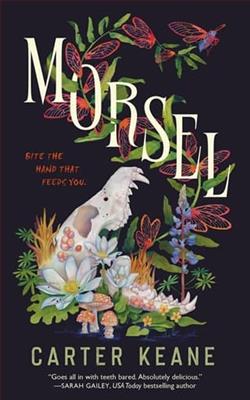
Carter Keane’s debut novel, Morsel, is a gripping entry into the folk horror genre, deftly weaving a tale of survival, societal critique, and the primal fear of the unknown. Set against the eerie backdrop of the Appalachian woods, the novel explores themes of isolation, societal pressure, and the relentless struggle for self-preservation. Keane's narrative is a chilling reminder of how the world can often feel like a predator, ready to consume those who dare to step out of line.
The protagonist, Lou, is a character many readers will find relatable. She embodies the modern struggle of balancing ambition with the harsh realities of economic survival. Lou's journey from the urban grind to the rural wilderness is not just a physical transition but a metaphorical one, highlighting her internal conflict between societal expectations and personal desires. Keane skillfully develops Lou’s character, allowing readers to witness her transformation from a woman burdened by societal norms to one who learns to fight back against the forces threatening to devour her.
Keane's writing style in Morsel is both atmospheric and evocative, drawing readers into the haunting landscape of the Appalachian woods. The author’s use of vivid imagery and sensory details creates a palpable sense of dread that permeates the novel. This atmospheric tension is reminiscent of works by T. Kingfisher and Paul Tremblay, where the setting becomes a character in its own right, shaping the narrative and influencing the characters' actions. The woods in Morsel are not just a backdrop but a living, breathing entity that adds layers of complexity to the story.
One of the most compelling aspects of Morsel is its exploration of societal themes through the lens of horror. The novel critiques the relentless pursuit of success and the dehumanizing aspects of corporate culture. Lou’s interactions with her coworkers, who are obsessed with a multilevel marketing scheme, serve as a satirical commentary on the self-betterment industry and its often predatory nature. This critique is cleverly juxtaposed with the literal predator stalking Lou in the woods, creating a parallel that underscores the novel’s central theme: the world is a place where one must learn to bite back or be consumed.
The emotional impact of Morsel is profound, as Keane masterfully balances moments of intense fear with poignant reflections on human resilience. Lou’s relationship with her dog provides a touching counterpoint to the horror elements, offering moments of warmth and loyalty amidst the tension. This bond highlights the theme of companionship and the importance of trust in overcoming adversity. Keane’s ability to evoke empathy for Lou and her canine companion adds depth to the narrative, making the stakes feel personal and immediate.
Comparisons to The Blair Witch Project and The Ritual are apt, as Morsel shares their focus on the psychological aspects of horror and the terror of the unseen. However, Keane distinguishes his work by infusing it with a unique blend of folk horror and social commentary, reminiscent of The Menu. This combination makes Morsel a standout in the genre, appealing to fans of both traditional horror and those seeking a narrative with deeper thematic resonance.
In conclusion, Carter Keane’s Morsel is a compelling addition to the folk horror genre, offering a narrative that is as thought-provoking as it is terrifying. With its richly developed protagonist, atmospheric setting, and incisive social commentary, the novel is sure to captivate readers who appreciate horror with substance. Keane’s debut not only entertains but also challenges readers to reflect on the societal forces that shape our lives and the primal instincts that drive us to survive. For those who enjoy the works of Cassandra Khaw and similar authors, Morsel is a must-read that promises to leave a lasting impression.