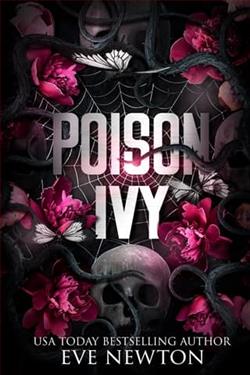
Eve Newton's Poison Ivy is a thrilling dive into a world where the supernatural and the clandestine art of assassination intertwine seamlessly. The novel, set in the enigmatic Thornfield Academy, introduces readers to Ivy Hammond, a character who is as complex as she is captivating. Newton crafts a narrative that is both engaging and thought-provoking, exploring themes of identity, morality, and the intricate dance between light and darkness.
At the heart of the story is Ivy, a shapeshifting assassin who operates under the alias Poison. Her dual life is a fascinating exploration of identity, as she navigates the everyday world of supernatural creatures while fulfilling her darker calling. Ivy's character is a testament to Newton's skill in character development. She is not merely a one-dimensional assassin; she is a young woman grappling with the weight of her responsibilities and the moral implications of her actions. This internal conflict adds depth to her character, making her relatable despite her extraordinary abilities.
The setting of Thornfield Academy serves as a perfect backdrop for the unfolding drama. The academy is a microcosm of the supernatural world, teeming with creatures that range from vampires to warlocks. Newton's world-building is meticulous, creating an environment that is both familiar and otherworldly. The academy is not just a school; it is a battleground where alliances are formed, and loyalties are tested. This setting allows for a rich exploration of the novel's themes, particularly the idea of belonging and the search for one's place in a world that is constantly shifting.
One of the novel's most compelling aspects is its exploration of the concept of justice. Ivy's role as an assassin is to deliver supernatural justice where mortal laws fail. This raises intriguing questions about the nature of justice and who gets to decide what is just. Newton does not shy away from these questions, instead weaving them into the fabric of the narrative. Ivy's struggle with her assignments, particularly the one that hits too close to home, forces her to confront her own beliefs and the consequences of her actions. This moral ambiguity adds a layer of complexity to the story, elevating it beyond a simple supernatural thriller.
The introduction of the three male characters—Torin Ashford, Bram Sinclair, and Tate Blackwell—adds another dimension to the narrative. Each of these characters is well-developed, with their own motivations and secrets. Torin, the charming vampire, brings a sense of danger and allure, while Bram, the Dark Fae, embodies the wild and untamed aspects of the supernatural world. Tate, the protective warlock, offers a sense of stability and potential redemption. The dynamics between Ivy and these men are charged with tension and intrigue, creating a captivating subplot that enhances the main narrative.
Newton's writing style is both engaging and evocative. Her prose is rich with detail, painting vivid pictures of the supernatural world and the characters that inhabit it. The dialogue is sharp and witty, capturing the essence of each character and their relationships with one another. The pacing of the novel is well-balanced, with moments of intense action interspersed with quieter, introspective scenes that allow for character development and thematic exploration.
In terms of its overall impact, Poison Ivy is a novel that lingers in the mind long after the final page is turned. It challenges readers to consider the complexities of identity and morality, while also delivering a gripping and entertaining story. The novel's blend of supernatural elements and real-world issues creates a narrative that is both fantastical and grounded, appealing to a wide range of readers.
When compared to other works in the genre, such as Richelle Mead's Vampire Academy series or Cassandra Clare's The Mortal Instruments, Poison Ivy holds its own with its unique take on the supernatural academy trope. Newton's focus on the moral implications of Ivy's actions sets it apart, offering a fresh perspective on familiar themes. The novel's emphasis on character development and thematic depth makes it a standout in a crowded field.
In conclusion, Eve Newton's Poison Ivy is a masterful blend of supernatural intrigue and moral exploration. With its well-crafted characters, immersive setting, and thought-provoking themes, it is a novel that will appeal to fans of the genre and newcomers alike. Whether you are drawn to the allure of the supernatural, the complexity of moral dilemmas, or the thrill of a well-told story, Poison Ivy delivers on all fronts, making it a must-read for anyone seeking a captivating and meaningful literary experience.