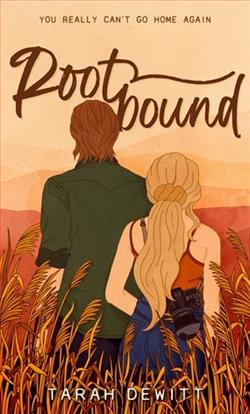
Rootbound, authored by Tarah DeWitt, is a journey into the depths of self-discovery, beautifully intertwined with themes of nature and healing. This fiction novel, with its rich prose and compelling narrative, transports readers into a world where every leaf and petal holds a deeper meaning, and every root a firm message of resilience.
The novel centers around Eliza James, a young botanist who finds herself returning to her rural hometown of Willow Creek after a devastating personal tragedy. The quiet town, surrounded by dense forests and sprawling fields, plays more than just a backdrop; it becomes a character in its own right, influencing Eliza's healing process and her interactions with the townspeople. DeWitt's skillful depiction of Willow Creek makes you feel the mist on your skin and smell the earth after rain, bringing an immersive quality to the storytelling that is rare and captivating.
Eliza's return is fraught with the challenges of confronting her past, including the strained relationship with her mother and the ghost of her departed sister, Anna. The narrative delves deep into family dynamics, exploring themes of loss, guilt, and the complicated roads to forgiveness. DeWitt uses the growth cycles of the garden—planting, nurturing, blooming, and wilting—as a powerful metaphor for Eliza's internal journey, making Rootbound not just a story to read, but to feel deeply.
The gardening aspect of the novel is meticulously researched, adding authenticity to the story while shaping its thematic structure. DeWitt’s descriptions of flora are not only scientifically accurate but are imbued with symbolism that complements the emotional undertones of the plot. For instance, Eliza’s restoration of her grandmother’s neglected garden mirrors her own path to healing, each new sprout a testament to her growing strength and ability to thrive despite adversity.
The supporting characters in Rootbound contribute richly to the novel’s emotional depth. From Mrs. Patterson, the nosy but kind-hearted neighbor, to Michael, Eliza’s childhood friend who helps her rediscover her passion for botany, each character is thoughtfully developed. Their interactions with Eliza are deeply human and brimming with a sense of community, emphasizing the novel’s overarching message about the importance of connections—both human and with nature—in fostering healing.
Amidst the personal and familial exploration, DeWitt integrates a subtle yet poignant environmental commentary. The book discusses the impact of industrial development on small communities and local ecosystems, sparking introspection about sustainable living and conservation. This layer adds a contemporary relevance to the story, making it not only a tale of personal growth but also a call to mindfulness about our environmental footprint.
DeWitt’s prose is a high point of the novel. It is lyrical and rich, full of imagery that draws the reader more intimately into Eliza’s world. The language flows effortlessly, with metaphors and similes that are both beautiful and functional, enhancing the emotional resonance of the scenes without feeling contrived. However, some readers might find DeWitt's style slightly dense, potentially requiring a more thoughtful pace to fully appreciate the layers of her narrative.
Rootbound excels in building a climax that is emotionally satisfying and healing. Without venturing into spoilers, the resolution of Eliza’s story is handled with great care, avoiding clichéd outcomes, and instead offering a conclusion that is both realistic and hopeful. It reinforces the novel's message about the possibility of growth from grief and the lasting impact of rekindling one's connection with nature and community.
Overall, Tarah DeWitt's Rootbound is a profoundly moving novel that offers more than just a story—it gives a perspective on how deeply intertwined our lives are with the natural world and how our personal and environmental healing are connected. It’s a recommended read for anyone who enjoys thoughtful, beautifully written literary fiction, or for those looking to see life’s trials through a lens of green leaves and open skies. Rootbound is a reminder that sometimes, to find our way, we must get a little dirt under our fingernails.