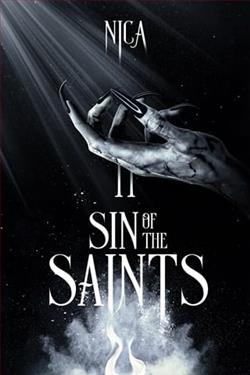
Sin of the Saints by Nica is an exhilarating dive into the complexities of morality, faith, and the human condition, all set against a backdrop that is both hauntingly familiar and intriguingly mystical. This novel bravely explores the blurred lines between righteousness and sin through a narrative that’s both gripping and thought-provoking, resonantly echoing the intricacies of real-world moral dilemmas.
The book centers around the small, seemingly idyllic town of St. Augustine’s Veil, where the lives of its residents are intricately woven with the threads of divine belief and profound secrets. The main protagonist, Father Elias, a young and idealistic priest, finds himself in a spiraling crisis of faith as he uncovers layers of hidden sins committed by those he revered. Nica masterfully portrays Father Elias’s turmoil, capturing the essence of conflict within a soul caught between the doctrines of his faith and the stark, unforgiving realities of human flaws.
As the narrative progresses, the reader is pulled deeper into a muddled world of moral ambiguities. Through a series of suspenseful reveals and heart-wrenching personal stories, the novel challenges the dichotomy of sin and sanctity. Each character in the town is vividly crafted, complete with backstories that paint a larger picture of communal sin and shared culpability. From the revered town mayor, whose charismatic facade masks a corrupt underbelly, to the local baker, whose simple life is not as innocent as it seems, Nica orchestrates a chorus of voices that represent the spectrum of human morality.
One of the most compelling aspects of Sin of the Saints is its rich, atmospheric setting. Nica’s descriptions of St. Augustine’s Veil are both beautiful and eerie, creating a perfect stage for the novel’s deep explorations of theme. The fog-laden streets, the towering statue of Saint Augustine that casts a long shadow over the town square, and the stark contrast between the ornate church and the crumbling homes serve as powerful metaphors for the theme of hidden sins and public facades.
Nica’s writing style is elegant yet accessible, rendered with a finesse that pulls readers into the story without overwhelming them with complexity. The dialogue is crisp and natural, providing a clear voice to each character’s inner conflicts and moral contemplations. This is complemented by an adept use of symbolism and motifs, such as the recurring image of the broken cross, which enriches the narrative layers and enhances the thematic depth of the novel.
The pacing of the book is another of its strengths. Nica balances moments of intense action with quieter, introspective passages that give readers time to reflect on the weight of the issues presented. This thoughtful pacing ensures that the multitude of characters and their interlinked stories are easy to follow, while also building towards a climactic conclusion that is both satisfying and thought-provoking.
However, Sin of the Saints does not shy away from presenting a critical view of religious institutions. Through the microcosm of St. Augustine’s Veil, the novel critiques the often unacknowledged sins committed in the name of faith. This critical perspective might not sit well with all readers, particularly those with strong religious affiliations. Yet, it is this bold exploration of controversial themes that sets the novel apart and makes it a significant read for those interested in the psychological and societal impacts of religion.
In conclusion, Sin of the Saints by Nica is a profound and beautifully disturbing novel that delves into the darkest corners of human nature and the often hypocritical aspects of religious life. With its compelling characters, haunting setting, and rich thematic undertones, it provides not just a narrative to enjoy, but a mirror that forces us to confront our own moral complexities. Nica has crafted a world that feels both distant and uncomfortably close, a reminder that sometimes the gravest sins are committed in the shadows of sanctity. This book is a must-read for those who appreciate a story that challenges the spirit and compels deep, personal introspection.