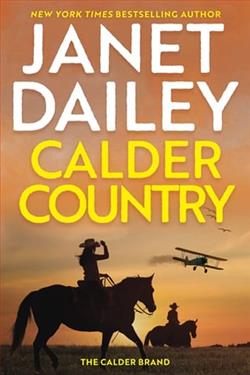
Calder Country by Janet Dailey is another captivating entry in her popular Calder series, centering around the formidable Calder family, whose vast Montana ranching empire sets the stage for drama, romance, and intrigue. In this installment, Dailey weaves an intricate narrative that combines the rugged charm of the Western setting with the complex dynamics of family, power, and legacy. Rich in detail and character depth, Calder Country delivers both on the sweeping scale of emotional engagement and the intimate intricacies of personal conflicts.
The plot of Calder Country revolves around Ty Calder, a protagonist who embodies the rugged individualism and quiet strength typical of Dailey's leading men. As Ty faces both personal and professional challenges, his journey highlights the perennial struggle between maintaining family traditions and adapting to the modern world. The novel excels in its depiction of the profound connection Ty feels to the land and his ancestors, while also exploring his vulnerabilities and his desires for personal fulfillment beyond the responsibilities of the Calder legacy.
Janet Dailey’s strength lies in her ability to create vivid, emotionally resonant characters, and this novel is no exception. Supporting characters, from Ty's strong-willed love interest to his scheming relatives, are deftly portrayed, each adding depth and complexity to the central narrative. Dailey’s talent for character development ensures that each individual is multi-dimensional, contributing to the rich tapestry of the story and providing a broad scope of human experience and emotion.
The romance at the core of Calder Country is both poignant and compelling. The relationship between Ty and his love interest is intricately depicted, characterized by a blend of conflict and undeniable attraction. Dailey masterfully captures the tension and chemistry between them, constructing a love story that is as unpredictable as it is inevitable. The romance does not overshadow the broader themes of the novel but instead serves as a lens through which larger issues of loyalty, duty, and identity are examined.
Thematically, the novel is rich with explorations of heritage, power, and change. Dailey uses the sprawling, untamed Montana landscape not just as a backdrop but as a vital component of the narrative, reflecting the wild, sometimes uncontrollable nature of both the environment and the characters' lives. The land is a source of sustenance, conflict, and pride, and its depiction is palpable and evocative, transporting the reader into the heart of Calder country.
However, Calder Country is not without its flaws. At times, the plot can seem predictable, following the familiar beats of the genre a little too closely. Some readers might find the resolution of certain conflicts a bit too convenient, though this does not significantly detract from the overall enjoyment of the book. Moreover, while the main characters are well-rounded and engaging, some of the secondary characters could benefit from more nuanced development to avoid falling into stereotypical roles.
From a narrative standpoint, Dailey's writing is clear and fluid, making for an easy and engrossing read. Her descriptions of the landscape are particularly striking, painted with a palette of words that bring the wild beauty of Montana vividly to life. The pacing is brisk, with enough twists and emotional highs and lows to keep the reader thoroughly engaged.
In conclusion, Calder Country is a robust addition to Janet Dailey’s esteemed body of work. For fans of the Calder series, this book offers everything that has made the series a success: strong characters, compelling romance, and a vivid setting. For newcomers to Dailey’s world, it serves as a fine introduction to the complexities and allure of the Calder family saga. While the book does tread some familiar ground and occasionally succumbs to the pitfalls of its genre, it stands as a testament to Dailey’s enduring appeal as a storyteller in the realm of romantic fiction. Calder Country is a hearty tale of love, land, and legacy, deeply entrenched in the wilds of Montana and in the hearts of those who inhabit it.