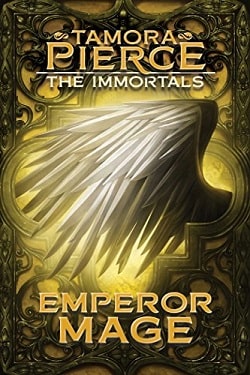
Emperor Mage, the third installment in Tamora Pierce's acclaimed series The Immortals, continues the journey of Daine Sarrasri, a young girl with the extraordinary ability to communicate with animals. Set against the backdrop of a politically charged Carthak, this novel delves deep into themes of power, morality, and personal growth, all while maintaining the enchanting fantasy elements that Pierce is known for.
The story begins with Daine being sent to Carthak as part of a peace delegation from Tortall. This premise sets the stage for a rich exploration of political dynamics and ethical dilemmas. Daine's discomfort with the Carthaki practice of slavery highlights a significant theme in the book: the struggle between personal beliefs and societal norms. As she navigates her role as a healer for the emperor's birds, Daine grapples with her growing awareness of the injustices around her. This internal conflict is a powerful reflection of the real-world struggles many face when confronting systemic issues.
One of the most compelling aspects of Emperor Mage is the character development of Daine herself. Throughout the series, she has evolved from a timid girl with a traumatic past into a confident young woman who is beginning to understand the full extent of her powers. In this installment, her abilities take on a darker edge, which adds complexity to her character. Daine's struggle to control her powers and her fear of what they might mean for her future is a relatable and poignant aspect of her journey. This theme of self-discovery resonates with readers, particularly those who have faced their own challenges in understanding their identities.
The character of Emperor Ozorne serves as a fascinating foil to Daine. He is portrayed as a multifaceted antagonist—caring and nurturing towards his birds while simultaneously embodying cruelty and tyranny towards his people. This duality raises questions about the nature of power and the moral compromises that often accompany it. Ozorne's character is not merely evil; he is a product of his environment, which adds depth to the narrative. Pierce skillfully illustrates how power can corrupt and distort one's values, making Ozorne a compelling figure that challenges Daine's perceptions of right and wrong.
The political intrigue in Emperor Mage is expertly woven into the narrative, creating a sense of urgency as peace talks stall and tensions rise. Daine's role in this political landscape is significant, as she becomes increasingly aware of the stakes involved—not just for her own life, but for the lives of those she cares about. The pacing of the story is well-executed, with moments of tension balanced by quieter, introspective scenes that allow for character reflection and growth.
Another noteworthy theme in the book is the bond between humans and animals. Daine's unique ability to communicate with animals not only serves as a plot device but also symbolizes the interconnectedness of all living beings. Her relationship with the emperor's birds is tender and showcases her nurturing nature. This bond becomes a source of strength for Daine, reinforcing the idea that compassion and empathy are powerful tools in the face of adversity.
In terms of world-building, Pierce continues to expand the rich tapestry of her universe. Carthak is vividly depicted, with its opulent palaces and stark contrasts between the lives of the elite and the oppressed. The cultural nuances of Carthak, including its practices and beliefs, are explored in a way that feels authentic and immersive. Readers are transported into this world, experiencing the sights, sounds, and moral complexities alongside Daine.
Comparatively, Emperor Mage shares thematic similarities with other fantasy works that tackle issues of power and morality, such as The Grisha Trilogy by Leigh Bardugo or The Broken Earth Trilogy by N.K. Jemisin. However, Pierce's approach is distinct in its focus on a young female protagonist who embodies resilience and compassion. Daine's journey is not just about battling external foes but also about confronting her own fears and insecurities, making her story deeply personal and relatable.
The emotional impact of Emperor Mage is profound. Readers are likely to find themselves invested in Daine's journey, rooting for her as she confronts the darkness within herself and the world around her. The stakes are high, and the consequences of her choices resonate long after the final page is turned. Pierce's ability to blend fantasy with real-world issues creates a narrative that is both entertaining and thought-provoking.
In conclusion, Emperor Mage is a masterful continuation of Daine's story, rich with themes of power, morality, and self-discovery. Tamora Pierce's skillful storytelling and character development make this book a must-read for fans of fantasy literature. It challenges readers to reflect on their own beliefs and the complexities of the world we live in, all while delivering an engaging and immersive experience. Whether you are a long-time fan of Pierce or new to her work, this installment will leave you eagerly anticipating the next chapter in Daine's journey.